
Imagine this: the hottest month of the year in Thailand, where the streets of an entire nation erupt in a joyous, chaotic, and utterly massive water fight. This is Songkran, the traditional Thai New Year, and it is an experience unlike any other on Earth.
But Songkran is so much more than just the world’s biggest water-gun battle. It’s a festival with deep, sacred roots, a time for family reunions, spiritual cleansing, and showing respect to elders. In fact, its cultural importance is so profound that in late 2023, “Songkran in Thailand” was officially recognized by UNESCO as an Intangible Cultural Heritage of Humanity.
So, how do you navigate an event that is both a deeply revered cultural holiday and a wild, country-wide party? As a traveler, understanding both sides of Songkran is the key to truly experiencing it.
This guide will walk you through everything—from the spiritual heart of the festival to the practical tips you need to survive (and win!) the water-fight.
1. What is Songkran?
Before you buy your first super-soaker, it’s worth knowing why you’re celebrating. The word “Songkran” comes from a Sanskrit word meaning “to move” or “astrological passage,” marking the moment the sun moves from one zodiac sign (Pisces) to another (Aries). It signals the start of the traditional Thai New Year.
A Festival of Cleansing and Renewal
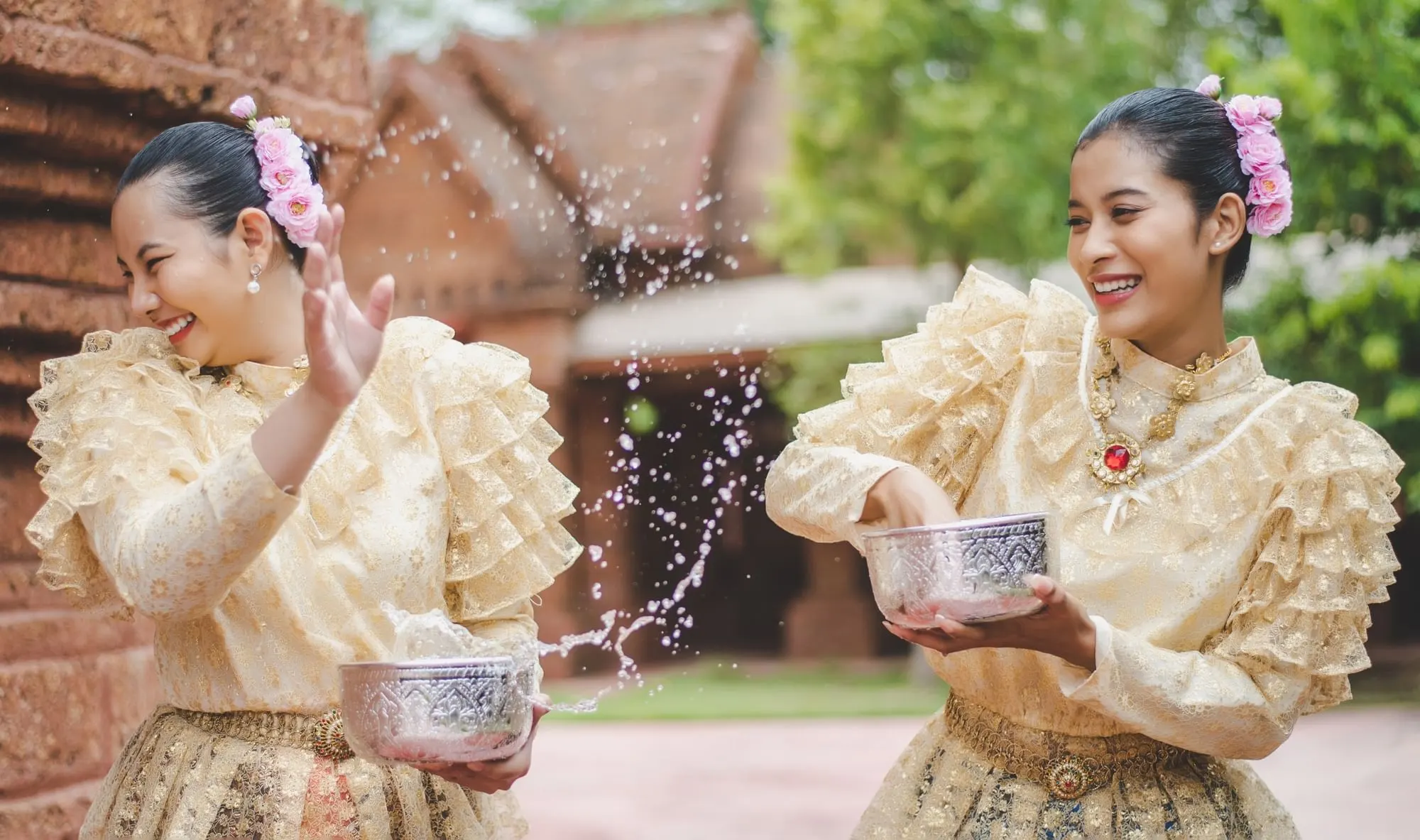
At its core, Songkran is about starting fresh. The most famous element—water—is the ultimate symbol of this. It’s not just for fighting; it’s a ritualistic cleansing to wash away the misfortunes and bad luck of the previous year and begin the new one purified, refreshed, and blessed.
In the days leading up to the festival, families will meticulously clean their homes and public spaces, another act of clearing out the old to make way for the new.
The UNESCO Heritage Status
The recent UNESCO inscription highlights that Songkran is a vital part of Thailand’s cultural identity. The UN body praised the festival for promoting “community cooperation, unity and forgiveness.” It recognizes the traditions of paying respect to elders, ancestors, and sacred Buddha images, all of which are central to the holiday.
2. The Two Sides of Songkran
To truly enjoy Songkran, you need to embrace its two distinct personalities: the gentle, respectful tradition and the wild, modern party.
The Sacred Traditions: Respect and Merit
This is the side of Songkran you’ll see away from the main party zones, especially in the mornings.
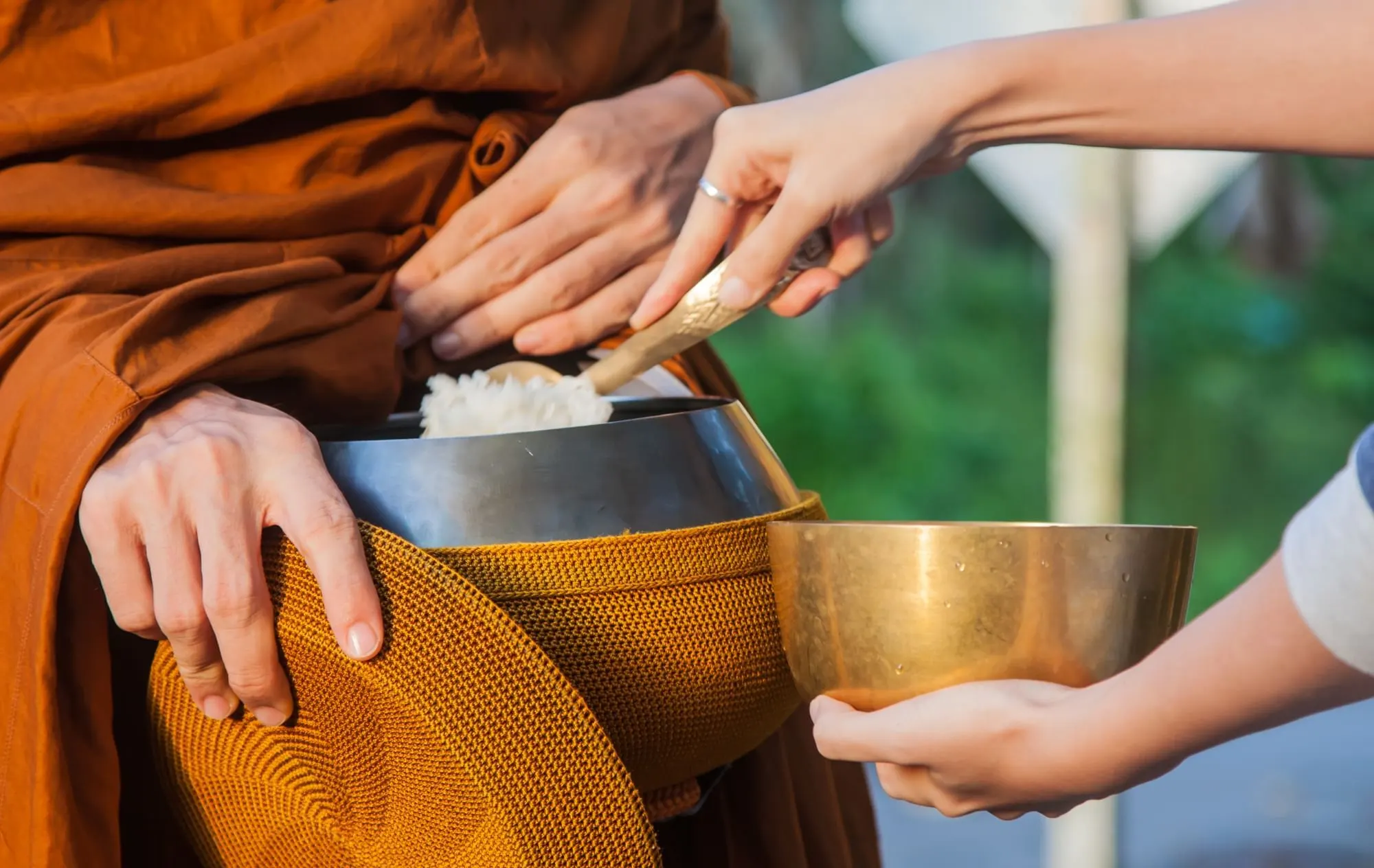
Making Merit (Tum Boon): The first day often begins with visiting a local temple (a wat) to offer food and alms to the saffron-robed monks.
Bathing Buddha Images: At temples and homes, you’ll see people gently pouring fragrant, jasmine-scented water over Buddha statues. This is a beautiful, serene ritual to “bathe” the Buddha for the new year.
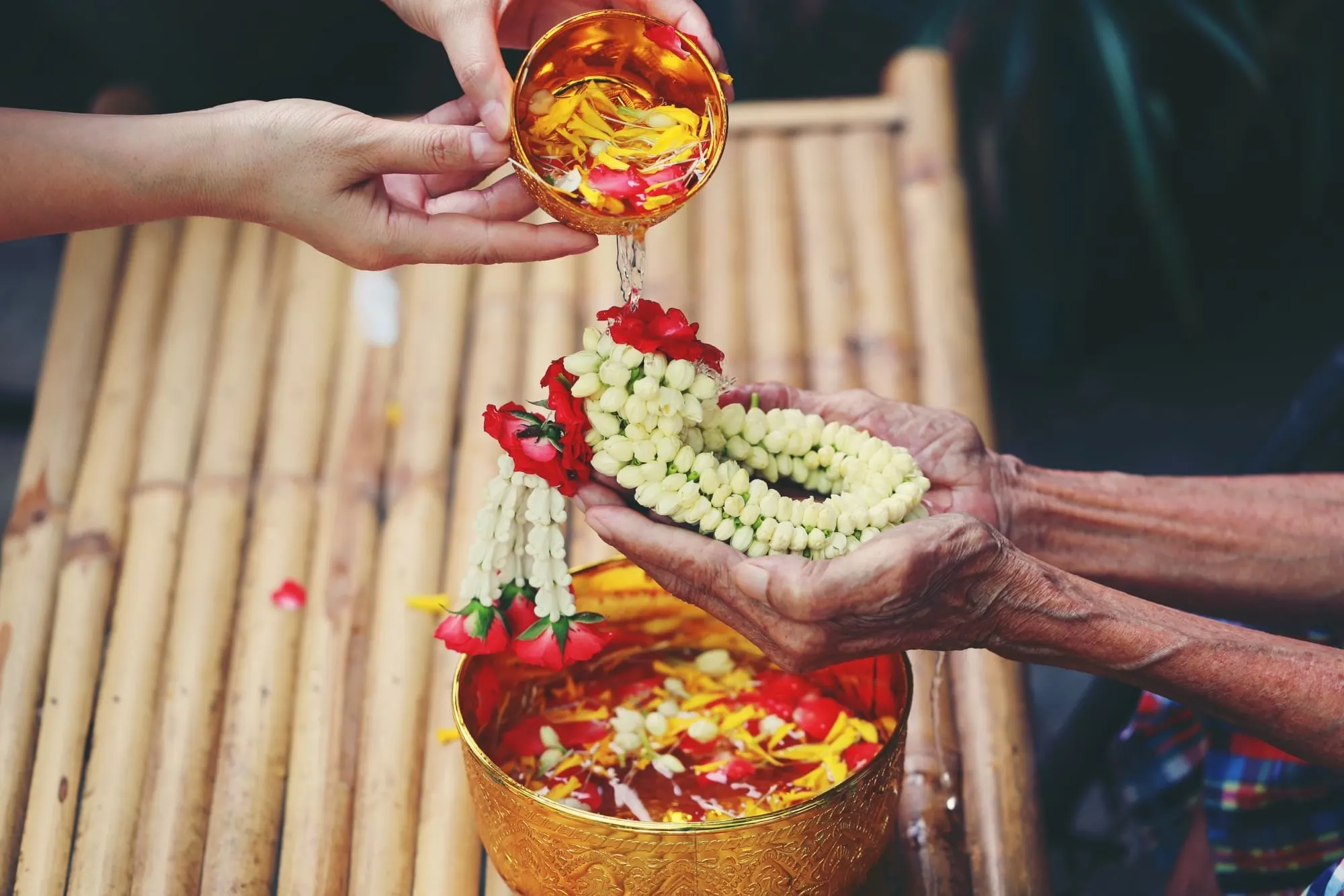
Rod Nam Dam Hua: This is perhaps the most important tradition. It is the act of respectfully pouring scented water over the hands (not the head) of elders, parents, and grandparents. It’s a gesture of gratitude and a way to ask for their blessings for the year ahead. In return, the elders will give a blessing, often tying a white string around your wrist for good luck.
The Modern Celebration: The World's Biggest Water Fight
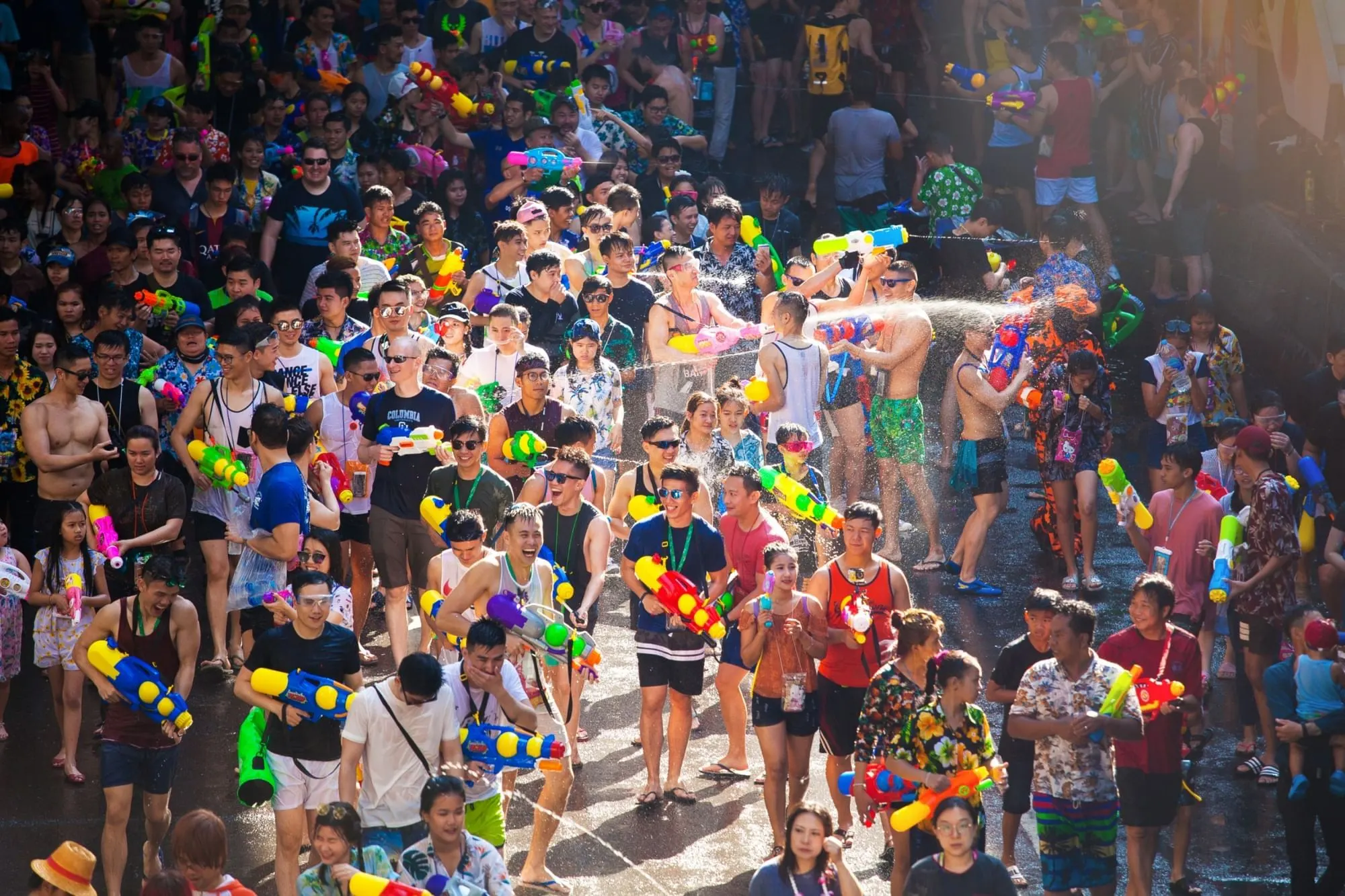
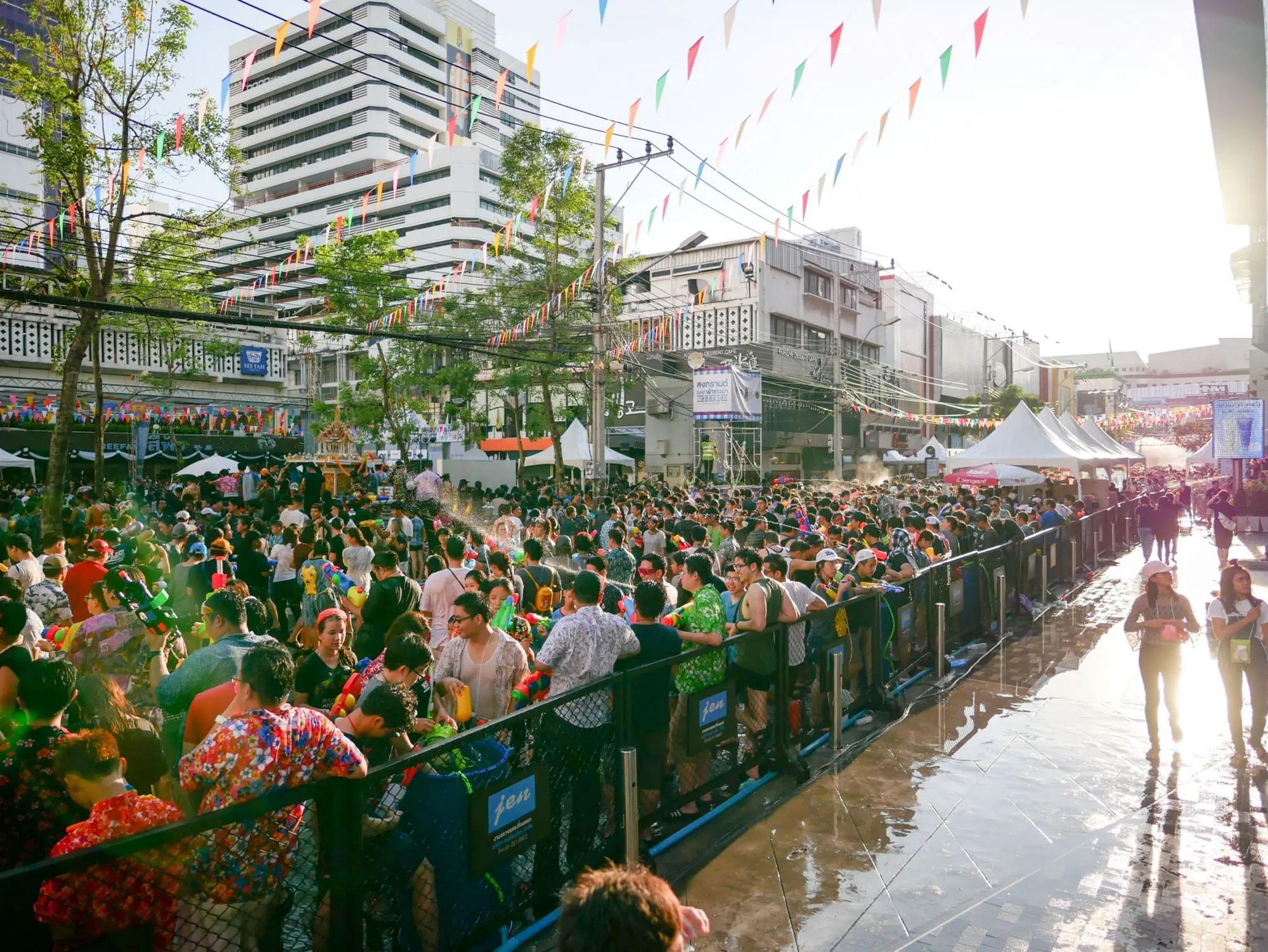
Once the morning rituals are complete, the “fun” side takes over. From around 10 AM until sunset, the streets transform. The vibe is electric and unstoppable. Everyone is fair game.
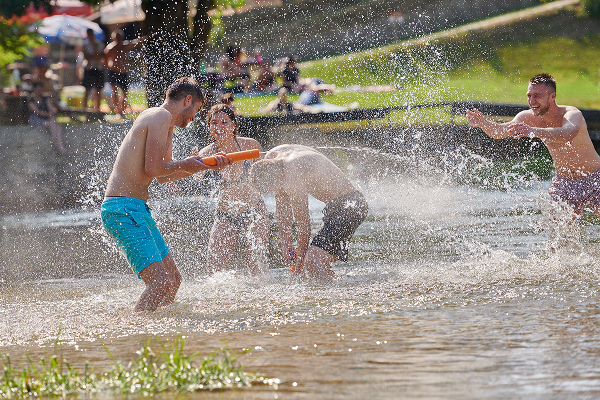
Imagine pickup trucks loaded with huge barrels of water (often ice-cold!) roaming the streets, entire blocks setting up “splash stations” with hoses, and thousands of people—locals and tourists alike—armed with every conceivable type of water-delivery device. Music blares from giant speakers, and the air is filled with laughter and the unified, happy chaos of a nation-wide water battle.
3. When is Songkran?
The official national holidays for Songkran are April 13th to 15th every year.
April 13th: Maha Songkran (The last day of the old year) and also National Elderly Day.
April 14th: Wan Nao (The transitional “in-between” day) and also National Family Day.
April 15th: Wan Thaloeng Sok (The New Year’s Day).
However, in many major cities, the celebrations can start a day or two early. Since the UNESCO recognition, the government has promoted a “Maha Songkran” (Grand Songkran) celebration, so in places like Bangkok, expect major events to kick off as early as April 11th or 12th.
And in some places, the party lasts even longer. (See Pattaya, below).
4. Where to Celebrate: A Guide for Every Traveler
Your Songkran experience will be completely different depending on where you are in the country.
Bangkok: For the Epic, Non-Stop Party
The capital is the epicenter of the modern celebration.
Silom Road: This 5-kilometer stretch of road is closed to traffic and becomes a human river of tens of thousands of people. Fire trucks are known to park and spray their powerful hoses over the crowd. You can watch from the BTS Skytrain walkway above if you want to stay (mostly) dry.
Khao San Road: The world-famous backpacker hub becomes a compressed, wild, and noisy water-fighting warzone. It’s intense, loud, and not for the faint of heart.
Sanam Luang: For a more traditional experience in Bangkok, head to this large field opposite the Grand Palace, where the sacred Buddhasihing image is paraded and bathed by participants.
Chiang Mai: For Culture and Scenery
Many consider Chiang Mai the best place to experience Songkran, as it blends tradition and fun perfectly. The ancient city moat, which surrounds the old town, becomes the main water source. You’ll see traditional parades, beauty contests, Lanna cultural performances, and, of course, an enormous city-wide water fight.
Pattaya: For the Party That Never Ends
Pattaya does Songkran differently. After the rest of the country has dried off, the party here is just getting started. The main celebration, known as Wan Lai (“day that flows”), takes place around April 18th-19th. The entire beach road closes, and it becomes one of the latest, largest, and wildest Songkran parties in Thailand.
Phuket: For Beach Vibes and Big Crowds
The main action is concentrated in the tourist hub of Patong Beach, especially along Bangla Road. It’s a massive party with a beach backdrop. For a more family-friendly or cultural vibe, head to Phuket Town, which hosts a “Songkran No Alcohol” festival with more traditional music and food.
Sukhothai/Ayutthaya: For a Traditional, Historical New Year
If the idea of a water warzone sounds like your nightmare, head to one of Thailand’s former capitals. In places like Sukhothai Historical Park, the celebrations are much more traditional, focusing on merit-making, sand pagoda building, and beautiful, historical processions.
5. Your Songkran Survival Kit (What to Pack & Wear)
You WILL get wet. There is no “opting out.” Surrender to this fact and prepare accordingly.
Waterproof Phone Pouch (with Lanyard): This is the most important item you will buy. Do not trust a simple ziplock bag. Get a high-quality, roll-top waterproof pouch you can wear around your neck.
A Water Gun: Don’t be the person throwing water from a flimsy plastic cup. Join the fun! You can buy them everywhere, from small pistols to giant backpack-style super-soakers.
Quick-Dry Clothing: Wear clothes you don’t mind getting ruined. Lightweight athletic shirts and shorts are perfect. Avoid denim at all costs (it gets impossibly heavy) and light-colored clothing (especially white).
Swimwear: Wear your swimsuit under your clothes.
Footwear: Do NOT wear flip-flops. They will be lost, broken, or cause you to slip. Opt for strap-on sandals (like Tevas or Crocs) or old sneakers.
Goggles or Sunglasses: A pro move. A high-pressure blast of (often ice-cold) water to the eye is no fun. Goggles make you invincible.
Waterproof Sunscreen (SPF 50+): You are in the blazing April sun all day, and the water is constantly washing your sunscreen off. Reapply, reapply, reapply.
Leave Valuables at Home: Do not bring your passport, expensive camera, or laptop out. Lock them in your hotel safe.
6. The Do's and Don'ts of Songkran (Essential Etiquette)
This is a festival of joy, but respect is paramount. Follow these rules.
DO smile and say “Sawasdee Pee Mai” (Happy New Year!). The spirit is playful and friendly.
DO embrace getting wet. Getting angry is the fastest way to ruin your (and others’) fun.
DO participate in the traditional Rod Nam Dam Hua if you are invited. It’s a beautiful honor.
DON’T splash monks, elderly people, babies, or pregnant women. This is a massive sign of disrespect.
DON’T be aggressive. Splashing is fun; high-pressure shots to the face or ears are not.
DON’T throw water at people on motorcycles. This is extremely dangerous and causes countless accidents. A gentle sprinkle is okay, but never blast a driver.
DON’T splash people who are clearly not participating (e.g., in a business suit, a police officer on duty, or someone inside a 7-Eleven). Dry zones (like malls, the BTS/MRT, and shops) are sacred.
DON’T drive a scooter. The roads are slippery and full of drivers who have been drinking. It is one of the most dangerous times to be on the road.
Frequently Asked Questions (FAQs)
Q: Is Songkran safe for tourists?
A: Yes, for the most part, it is incredibly safe and fun. The biggest risks are slip-and-fall injuries and traffic accidents. Be smart, don’t drive a scooter, and protect your valuables.
Q: Where does all the water come from?
A: In cities, people use tap water, often buying large blocks of ice to make it extra refreshing. In Chiang Mai, water is famously drawn from the city moat (be careful not to swallow it!).
Q: Can I opt out of the water fights?
A: Honestly, no. If you are outside on the street between April 13th-15th during the day, you are a willing participant. If you need to stay dry, travel by car or the (dry) Skytrain and stay indoors.
Q: What is the white paste (din sor pong) people put on your face?
A: This is a natural, chalky powder called din sor pong, which is mixed with water to make a paste. It’s another traditional element of Songkran, though its use is sometimes restricted in major party zones like Silom to keep the water clean. It’s harmless and meant as a friendly blessing.
Q: What is the best way to get around during Songkran?
A: On foot! In major party zones, traffic is at a complete standstill anyway. For longer distances, use Bangkok’s BTS Skytrain or MRT (subway), which are blessedly dry zones.
Songkran is truly one of the world’s great festivals. It’s a celebration that perfectly captures the Thai “sanuk” (fun) spirit while remaining deeply tied to its beautiful, ancient traditions of respect and renewal.
So, pack your bags, buy the biggest water gun you can find, and get ready to start the Thai New Year with a splash you will never forget.