


Unveiling the Jewel of the Andaman
Phuket, often dubbed the “Pearl of the Andaman,” is Thailand’s largest and most famous island, synonymous with idyllic tropical escapes. For decades, it has drawn travelers from across the globe with its irresistible charm: a captivating blend of powdery white-sand beaches, crystal-clear turquoise waters, dramatic limestone karsts, and an infectious, vibrant energy. But Phuket Paradise is more than just a pretty face; it’s a dynamic destination offering a kaleidoscope of experiences, from serene, secluded coves perfect for honeymooners to bustling party hubs, thrilling water sports, and a rich cultural tapestry woven with Portuguese colonial influences and Buddhist traditions.
Whether you dream of lounging under swaying palm trees with a good book, diving into vibrant coral reefs, exploring lush jungles, or dancing the night away, Phuket offers an adventure for every soul. This guide will take you beyond the postcards, delving into the best beaches, must-try activities, essential travel tips, and how to experience the true magic of Phuket, ensuring your journey to this Thai paradise is nothing short of extraordinary.
1. Discovering Phuket’s Iconic Beaches
Phuket’s coastline is a masterpiece of nature, offering an incredible variety of beaches, each with its own unique character. Choosing the right one depends on your preferred vibe.
1.1 Patong Beach: The Heartbeat of Phuket
Patong is undoubtedly Phuket’s most famous and bustling beach. It’s the island’s entertainment hub, a place where the energy never seems to dim.
Vibe & Activities: Expect a lively atmosphere with a wide array of activities right on the sand – jet skis zipping across the bay, parasailing high above, and vendors selling everything from fresh fruit to souvenirs. As the sun sets, Patong truly comes alive, with Bangla Road becoming the epicentre of its world-renowned nightlife.
Best For: Those seeking excitement, vibrant nightlife, endless dining options, and easy access to shops and services.
Things to Note: Can be crowded, especially during peak season. The waters here are generally calm but not always the clearest due to the high volume of activity.
1.2 Karon Beach: Family-Friendly Fun
Just south of Patong, Karon Beach offers a more relaxed yet still vibrant atmosphere, making it a popular choice for families and those who prefer a little more space.
Vibe & Activities: Karon boasts one of Phuket’s longest stretches of sand, perfect for long walks. The “singing sands” phenomenon (where the sand squeaks underfoot) is a unique feature. The beach is excellent for swimming, and there are plenty of water sports available. In the evenings, Karon offers a good selection of restaurants and bars, though less intense than Patong.
Best For: Families, couples, and those looking for a good balance between activity and relaxation.
Things to Note: Less hectic than Patong, but still has a good buzz. Plenty of accommodation options for various budgets.
1.3 Kata Beach: Surfing & Sunset Vibes
A little further south from Karon lies Kata Beach, a beautiful crescent-shaped bay known for its softer waves, making it a favourite spot for beginner surfers.
Vibe & Activities: Kata is divided into Kata Yai (Big Kata) and the smaller Kata Noi (Small Kata) further south. Kata Yai is popular for swimming and boasts a vibrant atmosphere with surf schools during the monsoon season (May to October). Kata Noi, on the other hand, is more tranquil and often chosen by those seeking a quieter escape. Both offer stunning sunsets.
Best For: Surfers (especially beginners), families, and those who appreciate a relaxed, beachy atmosphere with good dining options.
Things to Note: Good snorkeling around the northern end of Kata Yai near Koh Pu (Crab Island) when conditions are calm.
1.4 Freedom Beach: Secluded Serenity
If you’re seeking a hidden gem away from the crowds, Freedom Beach is your answer. It’s one of Phuket’s most beautiful and relatively unspoiled beaches.
Vibe & Activities: Accessible primarily by longtail boat from Patong (a roughly 15-20 minute ride), or via a challenging jungle trek, Freedom Beach lives up to its name. Expect pristine white sand, clear azure waters perfect for swimming and snorkeling, and a wonderfully secluded atmosphere. There’s usually a small restaurant for refreshments.
Best For: Couples, solitude seekers, snorkelers, and those willing to make a small effort for a slice of paradise.
Things to Note: The boat ride can be a little pricey, but worth it for the tranquility. Limited facilities, so bring what you need.
1.5 Nai Harn Beach: Local Charm & Tranquility
Nestled in the southern tip of Phuket, Nai Harn is a beautiful, peaceful beach popular with locals and expats, offering a more authentic Thai beach experience.
Vibe & Activities: With its soft sand and clear waters, Nai Harn is ideal for swimming. The surrounding area has a laid-back village feel with charming local restaurants and a few relaxed bars. It’s a fantastic spot for watching the sunset from Promthep Cape, just a short drive away.
Best For: Those seeking tranquility, a local vibe, families, and stunning sunset views without the crowds.
Things to Note: Can have strong currents during the monsoon season, so always heed warning flags.
2. Thrilling Adventures & Experiences in Phuket
Phuket is a destination that truly caters to the adventurous spirit. Once you’ve had your fill of relaxing on the sand, it’s time to dive into the excitement the island and its surrounding waters offer.
2.1 Island Hopping to Paradise: Phi Phi, James Bond & Similan Islands
The Phi Phi Islands: A must-see destination known worldwide for its dramatic limestone cliffs, emerald lagoons, and stunning beaches. Most tours visit Maya Bay (of The Beach fame), Pileh Lagoon (a sheltered swimming paradise), and Viking Cave. While the islands are heavily trafficked, the sheer natural beauty of the towering karsts rising from the clear water makes the trip essential.
James Bond Island (Phang Nga Bay): Famous for the gravity-defying limestone stack that starred in The Man with the Golden Gun. This area is less about beaches and more about spectacular scenery. Boat trips here often include sea kayaking through mysterious caves and exploring the dense mangrove forests surrounding the bay.
The Similan Islands: For true nature enthusiasts, the Similans are consistently ranked among the world’s top diving and snorkeling destinations. Located a few hours north of Phuket, this national park boasts incredible visibility, pristine coral, and the chance to spot larger marine life. Crucially, remember the Similan Islands are typically only open to visitors from mid-October to mid-May to protect the ecosystem during the monsoon season.
2.2 Diving & Snorkeling the Andaman Sea
With its warm, clear waters and rich coral ecosystems, the Andaman Sea offers an underwater world as captivating as the landscapes above.
Beginner to Expert: Phuket is a regional centre for diving. Beginners can easily take a PADI Discover Scuba Diving course or simply join a snorkeling tour to spots like Racha Yai and Coral Island (Koh Hae), which are close to the mainland and feature calm, shallow bays ideal for observing vibrant tropical fish and soft corals.
World-Class Sites: Certified divers often head for the more challenging but rewarding sites like King Cruiser Wreck, the dramatic rock formations of Anemone Reef, and the famed Similan Islands archipelago. The abundance of protected marine life, including sea turtles, schools of barracuda, and even harmless blacktip reef sharks, ensures an unforgettable experience for underwater explorers. You can also find some decent free-snorkeling spots right off the beaches at Ao Sane and Ya Nui Beach on the southern tip of the island.
2.3 Exploring Phuket Old Town & Big Buddha
To truly understand Phuket, you must venture away from the sand to explore its cultural heart and spiritual icons.
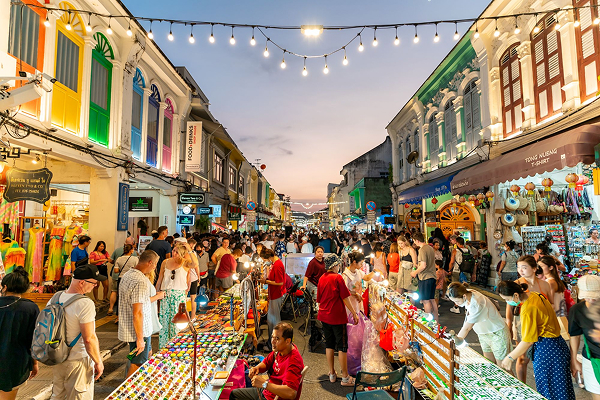
Phuket Old Town: A cultural gem where colorful history meets modern charm. The area is famous for its distinct Sino-Portuguese architecture—brightly painted, beautifully preserved shophouses and mansions that reflect the island’s heritage as a tin mining hub. Spend an afternoon wandering the streets like Thalang Road and Soi Romanee, popping into boutique cafes, art galleries, and local eateries. If you’re there on a Sunday, the Lard Yai Walking Street Market is a must-see for local street food, crafts, and live entertainment.
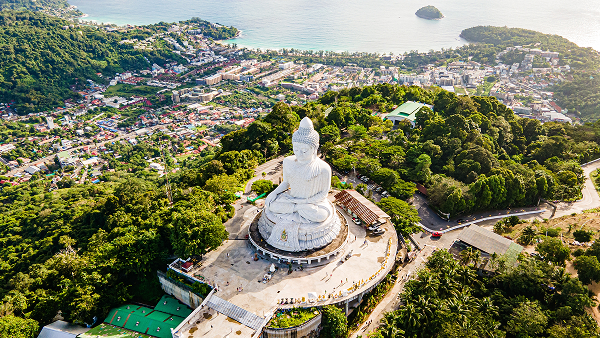
The Big Buddha: Officially named Phra Phutta Ming Mongkol Eknakiri, this majestic 45-meter-tall white marble Buddha statue sits atop Nakkerd Hill, providing a peaceful, spiritual sanctuary. The site is still under construction (funded entirely by donations) but is fully accessible and offers the most incredible 360-degree panoramic views of the entire island, sweeping across Chalong Bay, Kata Beach, and Phuket Town. Visitor Tip: As a religious site, you must dress respectfully—cover your shoulders and knees. Free sarongs are usually available to borrow at the entrance.
2.4 Phuket’s Vibrant Nightlife & Entertainment
Phuket is famed globally for its energetic nightlife scene, offering everything from glamorous nightclubs to cultural theatre shows.
Bangla Road (Patong): The undisputed center of Phuket’s evening excitement. Once the sun sets, this street transforms into a pedestrian-only frenzy of neon lights, music, and activity. Patong’s nightlife ranges from laid-back beachfront bars and live music venues to world-class nightclubs like Illuzion and Sugar Club. It’s chaotic, loud, and an essential experience for those seeking high-energy entertainment.
Cultural Shows: For a more family-friendly evening or a dose of traditional Thai culture, consider catching one of the island’s elaborate stage shows. Productions like Siam Niramit Phuket or Phuket FantaSea offer spectacular performances featuring traditional costumes, dazzling choreography, and massive stage sets that showcase Thailand’s history and mythology.
Muay Thai: Witness the “Art of Eight Limbs” live. Catching a professional Muay Thai (Thai boxing) fight at Patong Boxing Stadium is an electrifying way to experience a truly authentic and thrilling aspect of Thai culture and sport.
3. Essential Phuket Travel Tips
A great trip to Phuket requires a little planning, especially concerning weather, transport, and where you choose to rest your head.
3.1 Best Time to Visit Phuket
Phuket has a tropical monsoon climate, meaning the time of year you visit will dramatically affect the weather and prices.
High/Peak Season (November to February): This is widely considered the best time to visit. The weather is consistently sunny, dry, and pleasantly warm, with lower humidity. However, this is also when hotel and flight prices are at their highest, and the popular beaches are at their most crowded.
Hot Season (March to May): Temperatures rise significantly, often reaching the high $30s^{\circ}C$ ($90s^{\circ}F$). While the sea is often calm, the intense heat can make outdoor activities strenuous.
Green/Monsoon Season (May to October): This is the wettest period. Expect frequent, heavy, but often short-lived downpours, mainly in the afternoons. The upside is fewer tourists, lower prices, and lush, green landscapes. Be aware that the Andaman Sea can be rough, and strong rip currents are common, sometimes making swimming unsafe (always observe the flag warnings). Crucially, note that the Similan Islands are closed during much of this season.
3.2 Getting Around Phuket
Phuket is a large island, and getting around efficiently is key to maximizing your time exploring the things to do in Phuket.
Tuk-Tuks and Taxis: The most ubiquitous and easy way to travel locally, especially in tourist areas like Patong. However, they are also famously expensive compared to other parts of Thailand. Always agree on a fare with the driver before getting in, as meters are rarely used.
Ride-Hailing Apps (Grab/Bolt): Using ride-hailing apps like Grab or Bolt is generally more transparent and affordable than hailing a taxi or tuk-tuk off the street. This is often the preferred method for longer journeys.
The Smart Bus: A budget-friendly public bus service that connects Phuket International Airport with all the major beaches along the west coast (Bangtao, Surin, Kamala, Patong, Kata, Karon, and Rawai). The flat fare is very affordable (around 100 THB), making it an excellent option for moving between beaches, though it can be slow.
Motorbike Rental: Renting a scooter offers maximum freedom to explore the island, but this option is only recommended for experienced riders who are comfortable navigating hectic Thai traffic. Always wear a helmet and check your travel insurance covers motorbike accidents.
3.3 Where to Stay: Accommodation Options
Your choice of base dramatically shapes your Phuket experience.
Patong: Best for first-time visitors and party-goers. It offers the widest range of hotels, shopping, and easy access to nightlife, but be prepared for crowds and constant activity.
Kata & Karon: Ideal for families and couples seeking a blend of convenience and calm. These areas offer beautiful, wide beaches, excellent dining, and a relaxed, family-friendly atmosphere away from Patong’s intensity.
Phuket Old Town: Perfect for culture vultures and foodies. Staying here provides a unique experience in boutique hotels and charming Sino-Portuguese shophouses, offering easy access to the historical sites, local markets, and authentic restaurants. It’s away from the main beach action but provides a quieter, more cultural evening ambiance.
Northern/Southern Beaches (Mai Khao, Nai Harn, Rawai): Best for luxury, relaxation, and long-term stays. These areas offer high-end resorts, secluded beaches, and a tranquil atmosphere, but you will need transport (car or motorbike) to access other parts of the island.
3.4 Savouring Phuket’s Culinary Delights
Phuket is a gastronomic powerhouse, offering fresh seafood and unique Southern Thai cuisine.
Street Food Markets: The best way to experience authentic flavors on a budget. Head to markets like the Malin Plaza (Patong), Phuket Weekend Market (Naka Market near Phuket Town), or the Old Town Night Market (Sunday only) for inexpensive and delicious treats. Must-try dishes include Pad Thai, Tom Yum Goong, and mango sticky rice.
Local Phuket Cuisine: Don’t miss the dishes unique to the island, influenced by its Chinese heritage. Try Moo Hong (braised pork belly in a sweet soy sauce), Hokkien noodles (thick yellow stir-fried noodles), and fresh seafood cooked Southern Thai style, often with powerful chili and curry pastes. Look for smaller, local Khao Gaeng (rice and curry) stalls for incredible lunchtime feasts.
4. FAQs About Things to Do in Phuket
Q: How many days should I spend in Phuket?
A: The ideal length for a visit to Phuket is 4 to 7 days. A 4-5 day trip allows you to hit the highlights—a couple of beach days, an island hopping tour (like Phi Phi), and a visit to the Big Buddha and Old Town. A full week allows for deeper exploration, more relaxation time, and perhaps a diving or cooking course.
Q: Is Phuket expensive compared to the rest of Thailand?
A: Yes, Phuket is generally more expensive than cities like Chiang Mai or islands in the Gulf of Thailand (like Koh Tao). Accommodation and transport (taxis/tuk-tuks) are notably higher. However, you can still save money by eating street food, using the local Smart Bus, and avoiding the major tourist traps.
Q: Should I visit an elephant sanctuary in Phuket?
A: Absolutely, visiting an ethical elephant sanctuary is a deeply rewarding experience and one of the best things to do in Phuket. It is crucial to choose a facility that adheres to a strict “No Riding, No Bathing” policy. Look for sanctuaries focused on rescue, rehabilitation, and allowing the elephants to roam freely in their natural environment.
Q: What should I wear when visiting temples or the Big Buddha?
A: When visiting any active temple, including the Big Buddha and Wat Chalong, visitors must dress modestly as a sign of respect. This means shoulders and knees must be covered for both men and women. Avoid tight or revealing clothing. If you forget, some sites offer free wraps or sarongs to borrow at the entrance.